

Business agility refers to an organization’s ability to quickly and effectively respond to changes in the business environment – by being agile, organizations can adapt to change more effectively, capitalize on opportunities, and stay resilient in the face of disruptions.
Technology organizations have been working with agile methodologies for quite some time, but what does business agility mean in the context of strategic development portfolios?
1. Adapting to change
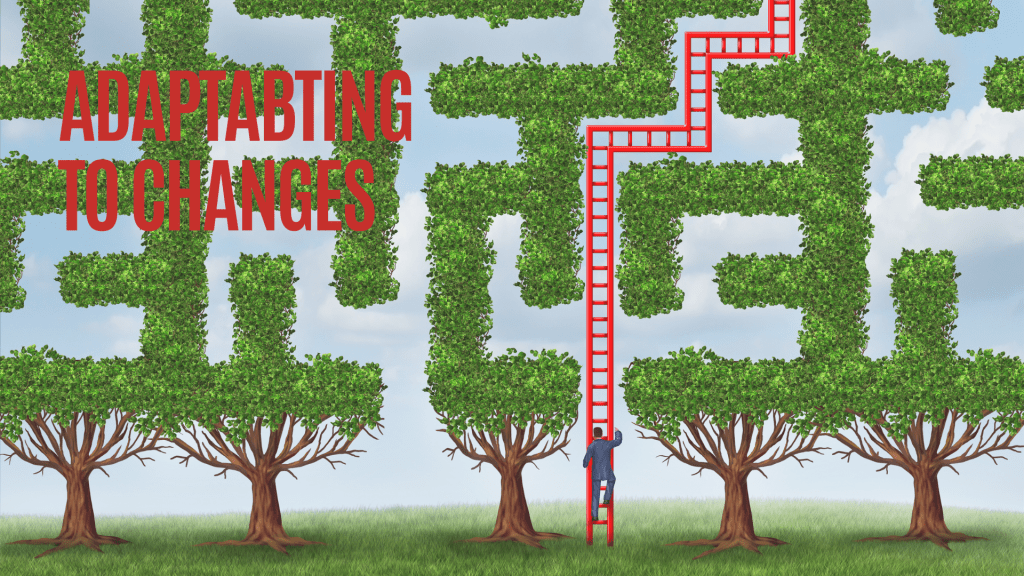
Adaptability to changes is an important benefit of business agility for development portfolios. Organization needs the capacity to anticipate and respond to market changes, customer needs, as well as emerging trends. An agile business is proactive in identifying opportunities and is willing to adjust its products, services, or operations accordingly.
Development portfolios can respond to changing priorities, market demands, and customer needs by adjusting the project portfolio content, timelines, and resourcing. If portfolio plans are fixed during the long range planning or yearly budgeting, it may be difficult to adapt to the change. One of the good practices I would recommend is portfolio reviews, see more via previous blog post: Time for a quarterly review?
2. Faster time to market

Agile approaches emphasize iterative development and frequent releases. By breaking projects and other initiatives into smaller, manageable chunks and delivering incremental value, agile enables faster time to market, allowing organization to seize market opportunities and gain a competitive edge.
So how to speed up development and go-to-market from the development portfolio view point?
- Developing minimum viable product – being brave with prioritization of the content
- Breaking down big initiatives into smaller, faster to implement work packages
- Ensure smooth decision making – lean but powerful governance is blessing for the whole organization
- Make go-to-market process fast and smooth – and Don’t forget the deployment!
3. Customer co-creation

Agile methodologies prioritize customer collaboration and feedback. By involving customers early and continuously throughout the development process, development portfolios can ensure that the delivered products or features align with customer expectations, resulting in higher customer satisfaction and loyalty.
Hearing the needs and feedback from the customers (or internal customers) is super important driver – and also reduces the risks of developing something, which is not actually valued by the customers and end-users. We may think we know what customers want and need, but do we really know if we don’t ask or validate the idea?
Customer engagement should be built into the development portfolio processes:
- Do you co-create development concepts with customers? Do you validate the concepts with customers?
- Do you have pilot customers to receive early feedback? Do you also have time to develop the solution based on the feedbacks?
- Do you continuously collect feedback from the customers related to your products and services? Do you have a systematical process to analyze the feedbacks and take action?
Service design and growth hacking methods provide great support in this area!
4. Transparency

Agile methodologies promote transparency and visibility through practices like sprint reviews and demos. This enables stakeholders to have a clear view of project or team progress, impediments, and upcoming deliverables.
In the portfolio level creating transparency on agile team outcomes is also important – this may sometimes be a bit tricky, if the development portfolio has been mainly focusing on project portfolio view only. More ideas related to how to combine projects and agile available via the previous blog post: From project portfolios to hybrid portfolios – combining projects and agile work.
In the portfolio level, here are few topics to consider, when working with agile teams:
- How much are we funding different agile teams?
- Would there be a need to scale team capacity up or down in the future?
- What does the high level roadmap look like for the agile team?
- What are the key priorities and outcomes from each team for the next quarter?
- How are different teams creating transparency across the organization for the great content delivered and also receiving the feedback (e.g. demos)?
5. Incremental benefit realization

One of the great benefits of agile approaches is delivery of smaller working products and solutions, which already enable benefit realization.
When compared to traditional waterfall development approaches with big-bang go-live, agile approaches may enable benefit realization for key parts of the delivery even years earlier. Over the time, this really adds up! If you have a massive transformation program with waterfall delivery, could you break down large entities to smaller incremental deliveries? This may not be always easy, but also reduces the risks of big-bang go-lives!
6. Reducing risk by learning fast
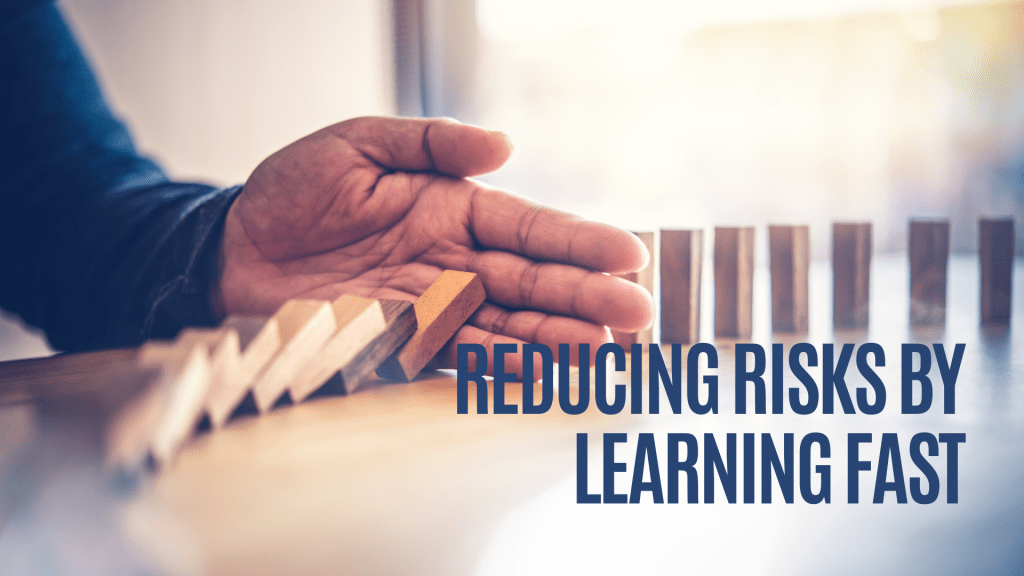
Agile embraces an iterative and incremental approach, allowing for early identification and mitigation of risks. By experimentation and feedback loop, it is possible to learn faster, and reduce the risks.
By regularly assessing and adapting development plans and priorities, development portfolios can address potential issues proactively, minimizing risks and maximizing project success.
- Do you regularly discuss about the risks and also plan how to mitigate the risks?
- Is it ok to kill a initiative in your organization, if you see, it is not commercially or technically fit for purpose?
- Do you have experimentation culture to learn fast?
7. Collaboration – cross functional teams empowered with decision making

Promoting a culture of collaboration and cross-functional teamwork is crucial for business agility. This involves breaking down silos, fostering effective communication, and encouraging employees to share ideas and work together towards common goals.
By empowering teams to make decisions, collaborate closely, and take ownership of their work, development portfolios can foster a culture of innovation, creativity, and high performance. Here are few topics to consider:
- Do you have truly cross functional teams?
- Do you have clear guardrails for the team decision making?
- What can be decided in the team level and which topics are decided in the portfolio level?
8. Continuous improvement

Embracing a mindset of continuous learning and improvement is fundamental to business agility. Agile organizations encourage experimentation, embrace failure as a learning opportunity, and constantly seek ways to enhance their processes, products, and services.
Agile promotes a culture of continuous learning and improvement. Development portfolios can regularly reflect on their processes, gather feedback, and implement changes to enhance efficiency, quality, and overall project outcomes.
- Do you have feedback loops inbuilt for different development activities to collect the feedback, learn and improve?
- Do you systematically collect and analyze development ideas and have capacity also for continuous improvement activities?
9. Resource utilization & prioritization

Agile methodologies emphasize prioritization, allowing development portfolios to focus on high-value initiatives and allocate resources accordingly. By optimizing resource utilization and reducing unnecessary work, Agile helps maximize productivity and ROI.
In practice, this also requires clear prioritization work in the portfolio level – which helps to create clarity and focus. More about the different prioritization methods for portfolios in a previous post: The Biggest Challenge For Development Portfolios is … Prioritization.
10. Employee engagement

Improved Employee Engagement and Satisfaction – agile methodologies empower team members, promote collaboration, and value individuals and interactions. This leads to increased employee engagement, job satisfaction, and retention within development portfolios.
This topic would require an own blog post in the future…



 Strategic Portfolio Management
One thought on “10 Ways How Business Agility Transforms Strategic Development Portfolios”