


When we are developing something new, we often look into development costs and benefits received from the development. What is often forgotten, is the impact of development initiatives to organizational run costs. If we develop a new automated process with new tools, we might need to hire also new people to maintain the solution, as well as have license costs. And sometimes the growth of the costs is also a very positive topic. Let’s review this aspect for a moment!
Forecasting impact of development – including both benefits and run costs
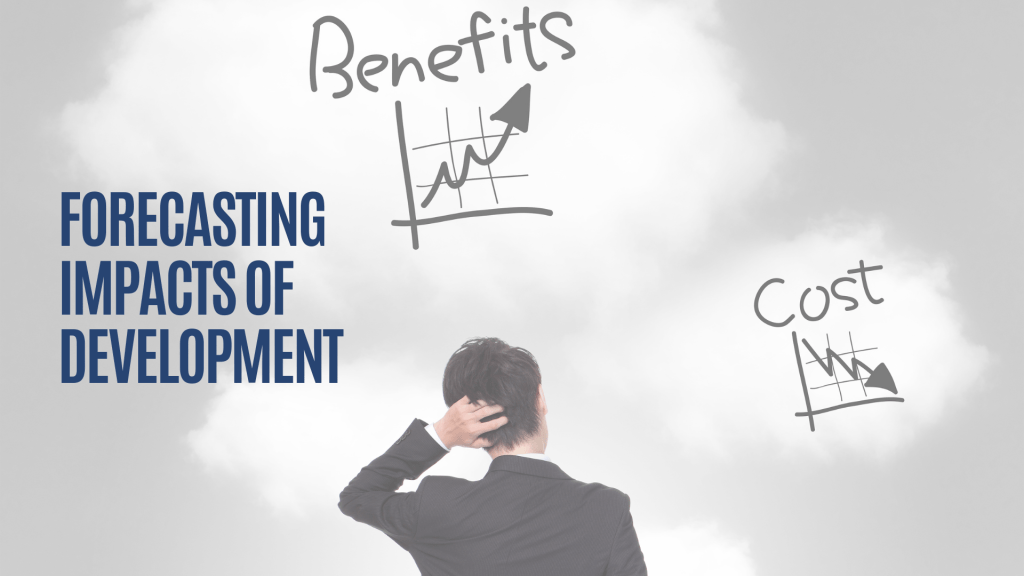
When we develop something new, we often focus on development costs – how much Opex or Capex investment is, how much internal work related costs. However, development has often significant impacts on future profits and also operating costs.
If you have fore example rolling 5 forecasting or LRP process ongoing, here are the key high level topics to consider:
- Opex impact – When your development project is ending, will there be some new license costs or increased IT capacity costs to be covered? Which department is budgeting these costs, and have the costs been reviewed and agreed with that department to avoid issues with future budgets?
- Headcount impact – When the project ends, do we need to have additional headcount managing the run phase of the solutions? Has the headcount needs been analyzed together with the business case and impacted department agreed on headcount plans?
- Capex impact – If you have Capex plan, is the original capex plan still valid, or has there been any changes in the development schedules or development cost forecast, which might also impact the capex plan?
Typically at the early phases of development, is is really difficult to know the run phase costs, and business case may not be so accurate. However, when the development project is proceeding, it is a good practice to review the business case and also take the future costs into the forecasting processes.
Increasing run costs – what is the total cost of ownership?

Let’s look into Increasing run costs first. When automating something, we typically get plenty of benefits from saving time, and for that part, there is often detailed benefit calculations in place to justify the business case. Even the development phase costs are often analyzed in detail, to enable investment decision making.
However, what is often forgotten is the run costs after the development phase. Here are few topics, which I have been looking into
- What is the licensing model in place for your solution? Is the license costs depending the amount of total users, do you have floating licenses with maximum amount of users at the same time, or do you have yearly or monthly license fee, and you can use the solution as much as you wish. Depending on the licensing model, it is important to evaluate the future usage, when developing the business case.
- What is cost of keep the business running? If you would not do any development, what would be the cost of keeping the solution running after the go-live? Do you have costs related to physical servers or cloud capacity, or within connectivity infrastructure?
- What are the continuous development costs? In addition to keep the business running, there is typically an expectation of continuous development of the newly built solution. Are you budgeting also money or and resources for this important work?
If you have long range planning period starting, check out also the previous blog post: 5 Tips for Smoother Long Range Planning for Development Portfolios – Strategic Portfolio Management!
Let’s cover the headcount impact next, that is relevant too!
Impact on headcount and internal work

I think this is a really tricky topic!
If we develop a new product or service or a new IT solution – there is a need to run and continuously develop the solution further.
- Who will take the ownership of the development outcome? Is there a team, or would you need to build a new team requiring internal headcount or external team members covered via Opex costs?
- Will the new product or solution require support from many different units or team? Can the increased work be managed within the existing resourcing, or will there be headcount needs in multiple teams?
- And perhaps the most difficult part! Do you have the needed capabilities, skills and knowledge in the organization, and would you need to create a plan for hiring new people, and what would be the location for these people?
New revenue streams – creating organic growth of run costs?

Sometimes the growth of the costs is a positive thing!
This is the case when the growth of the digital service volumes is increasing the business revenues and profitability, but on the other hand also increasing organically service run costs, license costs, connectivity or data costs or other service management costs.
It is good to take this into account already when reviewing the business case. Here are few topics to consider:
- What is the best forecast for the service volume increase, and what is the impact on the run costs? Do you have multiple scenarios, such as optimistic, neutral and pessimistic scenario?
- Which unit or organization is budgeting the future increase in run costs?
- Are these costs allocated in your processes to the units receiving also the profits? Do you have processes in place for allocating the costs, or do you need develop your ‘digital supply chain’ practices further?
- How do you govern and follow up these costs?
- How do you optimize the cost structure also in the future to optimize service profitability?
Recommended reading
5 Tips for Smoother Long Range Planning for Development Portfolios – Strategic Portfolio Management















 Strategic Portfolio Management