


Communicating about development portfolios is often tricky – there may be a lot of ongoing development projects and activities, and if there are no portfolio structures, such as programs grouping projects, it is difficult to present high-level portfolio updates. The last blog post was focusing on designing portfolios in Enterprise level – let’s now focus on a single portfolio design and meaningful portfolio structures.
Here are a few tips which have been helpful for me and my colleagues!
Portfolio level – Large single portfolio, or multiple portfolios?
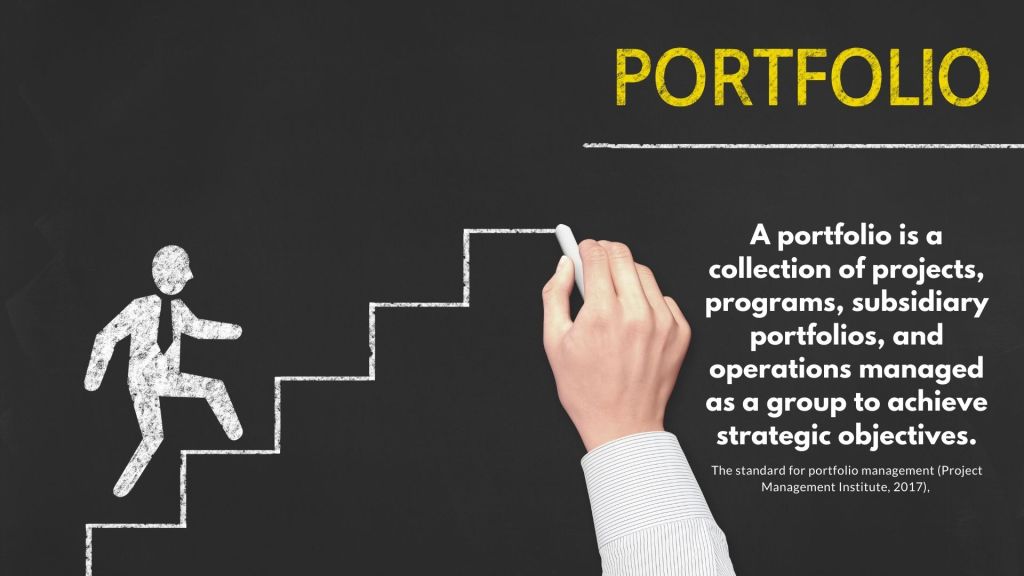
By definition A portfolio is a collection of projects, programs, subsidiary portfolios, and operations managed as a group to achieve strategic objectives (The standard for portfolio management – Project Management Institute, 2017). The definition is quite wide and each portfolio needs to define how to structure the development happening within the portfolio with a meaningful value adding way.
Sometimes portfolios may develop content across businesses, but also quite often there are own development portfolios for different businesses and functions. In addition to business-driven portfolios, often large development organizations, such as R&D and IT, also have their own portfolios. These portfolios may have own strategic targets, or work may be delivered to one of the business portfolios by the technology units. Also global functions, such as marketing or finance, often have their own development portfolios. First thing to consider is, do you manage a single portfolio, or would you have actually multiple portfolios with different objectives in the scope of discussions.
Sometimes there are clearly defined project portfolios, a group of individual projects, without any need for program structures – and this is completely fine, too. When dealing with larger portfolios, it makes sense to manage group development activities as sub-portfolios, programs, strategic initiatives, or via value streams. Let’s review different options:
Sub Portfolio – Grouping of development based on unit, department or theme

Let’s start with sub portfolios!
For large development portfolios, sub portfolio structures truly make sense – there is just too much different types of contents to be managed with flat hierarchy. On the other hand, for smaller portfolios, splitting content too much may create additional bureaucracy and silos within organization – so please be careful with the design!
Here are couple of tips for large portfolios with different types of development contents:
- Sub portfolios for different units: Do you have have a big development portfolio developing content for different units? For example, if your portfolio is focusing on development within global functions, development content within marketing, finance and IT would deserve to have own sub portfolios to keep the content well grouped and managed.
- Department level sub portfolios: For big business portfolios, does it make sense, to create a sub portfolios for development work different departments are focusing? Sub portfolios may help to create structure and show logically development projects focusing on development of each area. Sub portfolios may also serve well for allocation of funding and governance, if decision makers and key stakeholders vary a lot. Also, one very important aspect is the resourcing – each department needs to have a clear view of all development they need to resource.
- Strategic theme based sub portfolios: Do you have big investment areas including multiple interlinked programs you need to present together? Sometimes sub portfolio may be also created based on the strategic development themes, to be able to easier follow up on
Development Programs – managing complex dependencies
Development programs are widely implemented across various industries as a common and well-known approach. The fundamental concept behind programs is to consolidate interconnected projects with shared objectives into a unified program, which can be managed as an entity. One particularly appealing aspect of development programs is the incremental delivery of benefits, as individual projects or activities within the program are completed over its duration.
Sometimes projects and other development activities within program have complex dependencies – and the completion of one activity may be a prerequisite for another. One of the benefits with program structure is the possibility to manage dependencies systematically – this is especially important, if development is happening across different organizational units.
Some programs may have more loosely interlinked projects based on a certain theme or topic – this could be for example projects linking to the same technology. Also the investment decision approach may vary – if each project within the program has an own business case, investment decisions can be made also incrementally over time – this helps to get things started, when in the early phase investment approval is only for the first scope items.
Strategic Initiatives – aiming at reaching strategic targets

Strategic development portfolios often encompass strategic initiatives, such as large transformation projects, strategic technology programs, must-win battles, or major product development initiatives. These initiatives are typically characterized by a strong focus on outcomes, aiming to develop new offerings, introduce new business models, or enhance organizational capabilities.
Sometimes strategic initiatives are governed as an entity, with a clear funding, steering and reporting practices, but often there is more loose practice, mainly focusing on strategy implementation progress – development is happening within each responsible organization. What ever the structure you may have, creating transparency on strategy implementation progress is usually a must have need!
Value streams
Today, value streams developing end-to-end chains delivering customer value have become popular, especially when enterprise agile practices are widely used in the organization.
Some portfolios are fully organized around value streams, and in a sense, value streams may be seen as mini-portfolios. There is typically a higher level decision-making on the portfolio level, but also teams working within value streams are empowered to make decisions about content prioritization. If you want to learn more about portfolio approach using value streams, Scaled Agile Framework Portfolio pages include great examples.
Smart portfolio views – other portfolio grouping attributes
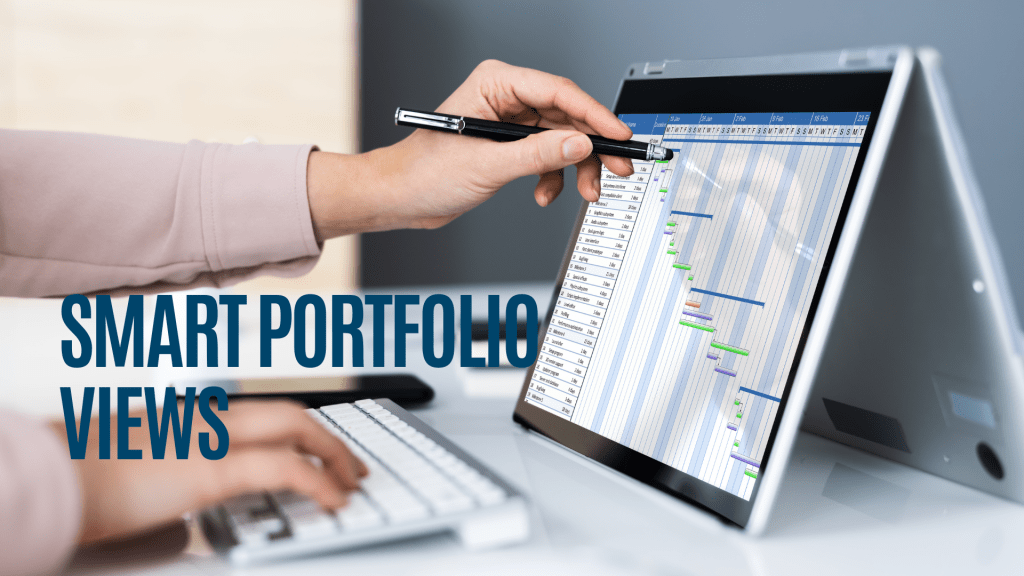
In addition to official portfolio structures, such as Sub portfolios or Programs, there are often also other needs to create views of development portfolio content. Optimally, your portfolio management tool may help with this, to avoid maintaining roadmaps for different purposes.
These are the commonly needed views I have come across to:
- Department or unit work view across development portfolios – what are the projects and other work ongoing with your own unit? Which projects are you leading, where are you contributing and your team member contribution is needed? This view is especially important for common functions, such as IT departments or marketing, where there is always high demand for your experts time, and need may be coming from many different portfolios.
- Strategy view – which development initiatives across all portfolios are contributing to a strategic theme or must win battle? There is often strategy progress reporting also consolidating status from different units, and great approach is to link strategy reporting to development portfolio reporting to avoid double reporting.
- Product line, Platform or Solution area roadmap view – also a typical need is search for all development initiatives linked to a certain Product line, Platform or Solution area. With this view it is possible to manage development dependencies for a certain area.
Backlogs and my own tasks…
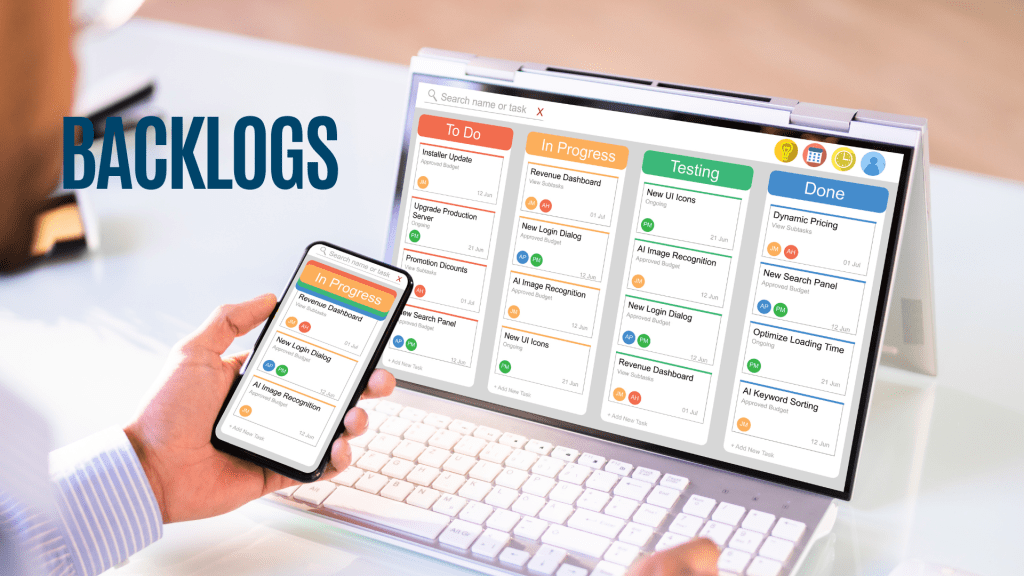
The need for managing the work does not end to portfolio level. Development teams have needs to manage their own roadmaps, backlogs or Kanbans – and the same applies to all of us – we need to manage our own tasks systematically. We all hate, if we need to create additional documentation manually to report our progress – and here is an opportunity to use integrated portfolio and backlog management tools.
If you have possibility to use the same set of tools within company – managing work from different projects or areas may become easier for the individual, when all tasks can be found from the same tool. The same applies also for the portfolio level – especially for agile development, creating transparency on progress of roadmap items is crucial. Many portfolio management tools today enable integration or have great inbuilt functionalities for managing backlogs.
If you are interested to learn more, check these out:
The standard for portfolio management – Project Management Institute, 2017
Development portfolios in large companies – what is your viewpoint?
Designing Development Portfolios in Enterprise Level – What is your approach?

















 Strategic Portfolio Management